
My Approach to Diversity, Equity, Inclusion, and Accessibility in Instructional Technology
Centering Access and Inclusion from the Start
For me, diversity, equity, inclusion, and accessibility (DEIA) are the foundation of how I design and implement instructional technology. I believe that every learner deserves to feel seen, supported, and capable, regardless of background, ability, or learning context.
Accessible and Inclusive Course Design at OTIDE
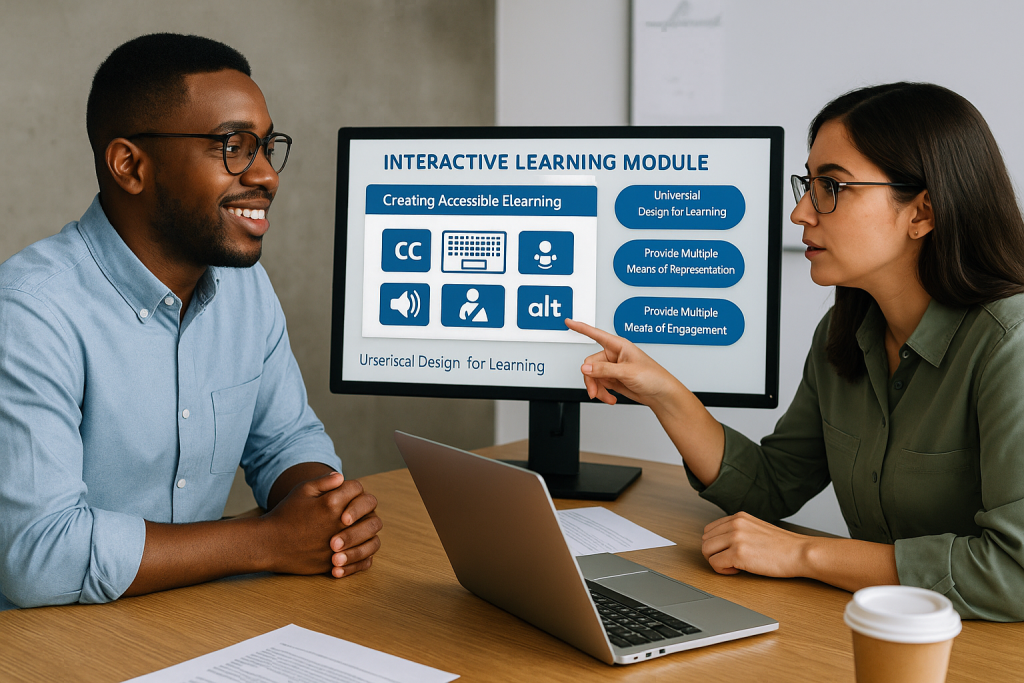
During my internship at the Office of Teaching Innovation and Digital Education (OTIDE), I collaborated with subject matter experts to design interactive learning modules using Articulate Storyline and Blackboard Learn. I made it a priority to build accessibility into every layer of the course—from closed captions and keyboard navigation to screen reader compatibility and alt text for all visuals. I relied on Universal Design for Learning (UDL) guidelines to offer multiple ways for learners to engage with content, demonstrate understanding, and stay motivated (CAST, 2018; Al-Azawei, Serenelli, & Lundqvist, 2016). Rather than retrofitting accessibility and inclusion after development, I treated it as a core design principle, because inclusion without access is incomplete and vice versa.
Designing Immersive Learning with Equity in Mind
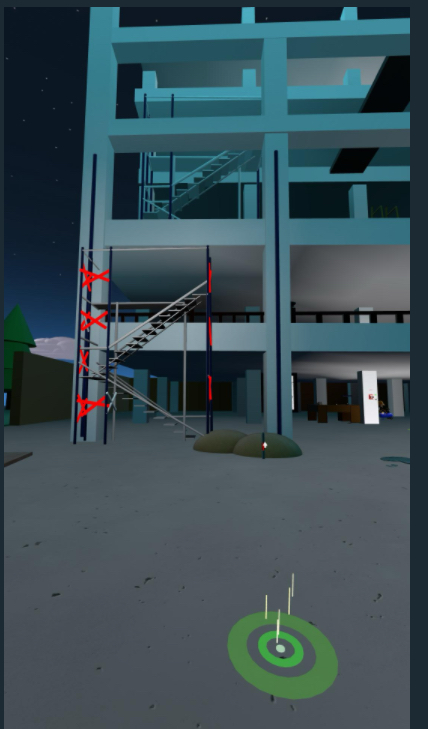
At the Adaptive Design of Immersive e-Learning (AdDIE) Lab, I helped design and test virtual reality (VR) training for civil engineering students learning hazard identification. We recognized early on that VR environments can unintentionally exclude students with sensory sensitivities, limited mobility, or low-tech familiarity. So, we iteratively tested the simulation with a diverse student base, including students from underrepresented backgrounds and first-generation college attendees. Based on their feedback, we adjusted interaction settings, simplified controls, and created alternative navigation methods. These changes aligned with research showing that inclusive VR can foster a sense of presence and skill acquisition across learner groups (Dede, Jacobson, & Richards, 2017).
Broadening Participation in Computer Science Education
Under the mentorship of Dr. Feiya Luo, I co-developed computer science lessons for upper elementary students, many of whom were English learners or from racially and socioeconomically diverse communities. We infused accessibility and representation into the lessons through adaptive scaffolding, culturally relevant examples, and responsive learning supports. In one project, we used physiological computing data to adjust instruction based on students’ engagement and cognitive load (Liu et al., 2024). Our aim wasn’t just to teach code—it was to ensure every student felt confident and capable in a space where many had never seen themselves represented before.
DEIA Beyond the Classroom: Advocacy and Leadership
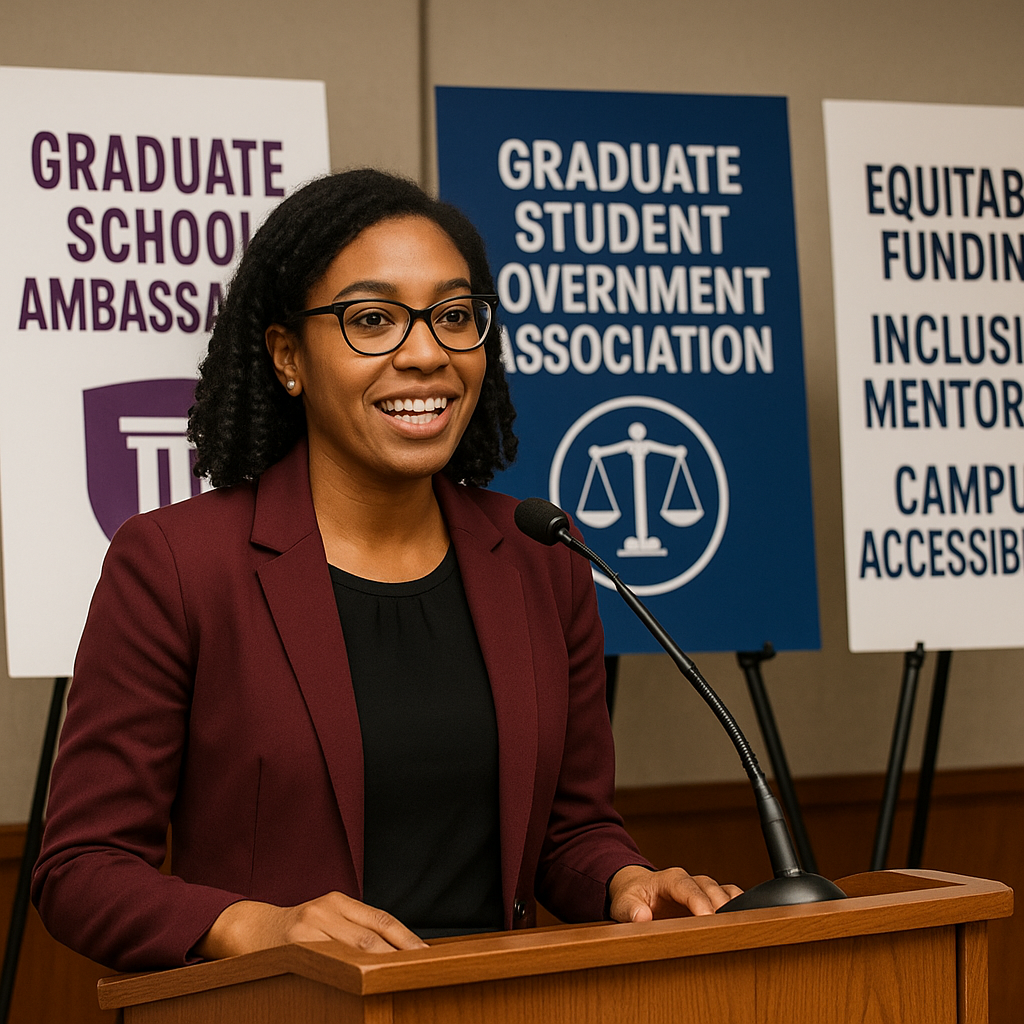
My advocacy extends into leadership roles. As a Graduate School Ambassador and senator in the Graduate Student Government Association, I have supported initiatives focused on equitable funding, inclusive mentoring, and improved campus accessibility for graduate students.
Building Learning Environments Where Everyone Can Thrive
Throughout my work, I return to one core idea: diversity, equity, inclusion, and accessibility are not just add-ons; they are commitments. It means anticipating barriers before they arise, amplifying underrepresented voices, and continuously improving our tools to reflect the full diversity of learners. Whether I am designing immersive simulations, crafting K–12 lessons, or supporting fellow graduate students, I lead with empathy and evidence to create learning environments where everyone can thrive.